Hi there, I'm Adly
Designer. Creativity Enthusiast.
⚠️Under Construction

The 1000 Visuals
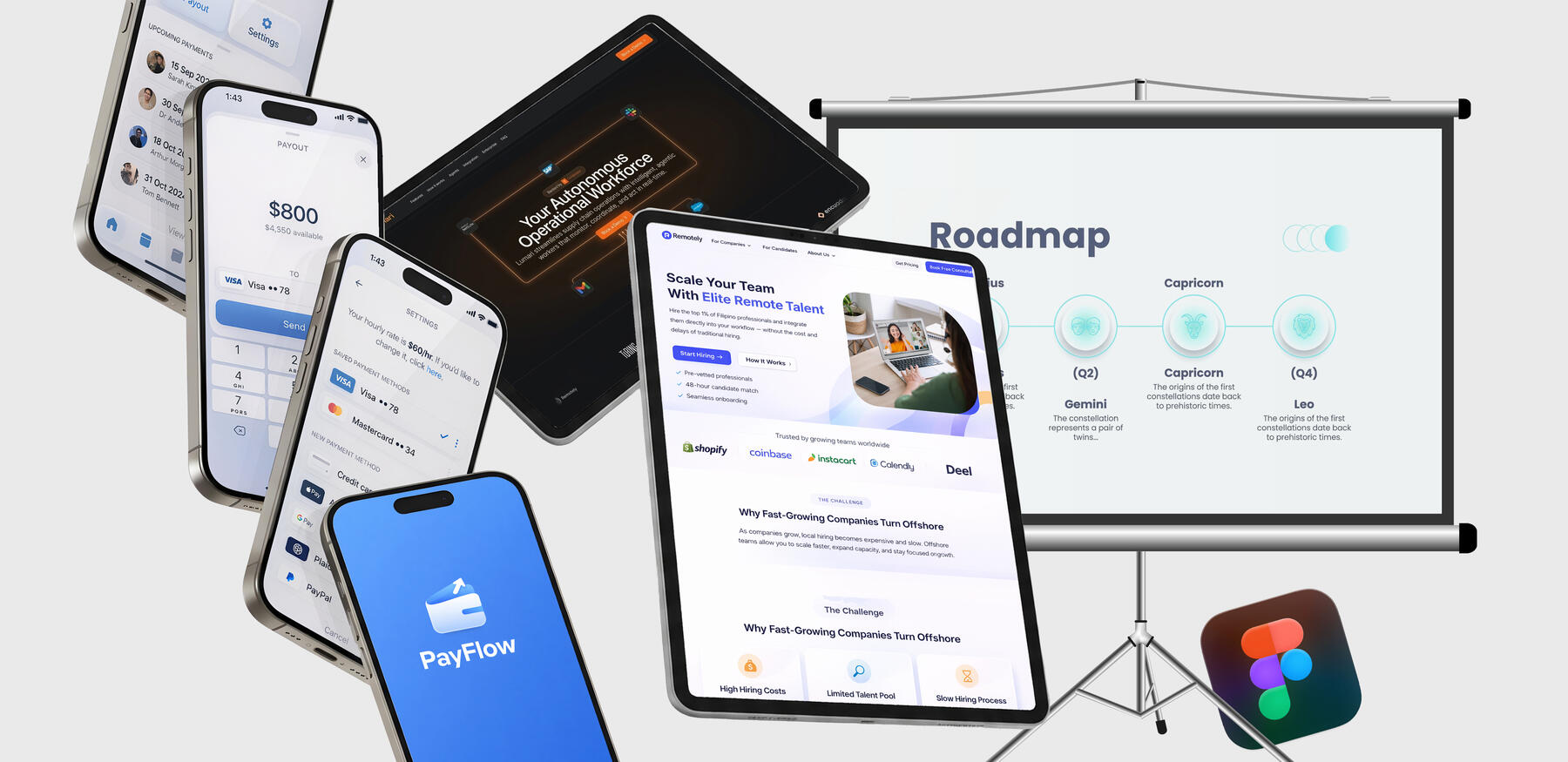
My growing collection of UI, Web & Marketing Visuals
• Figma drafts, rejected proposals and past projects.
The User Friendly Blog
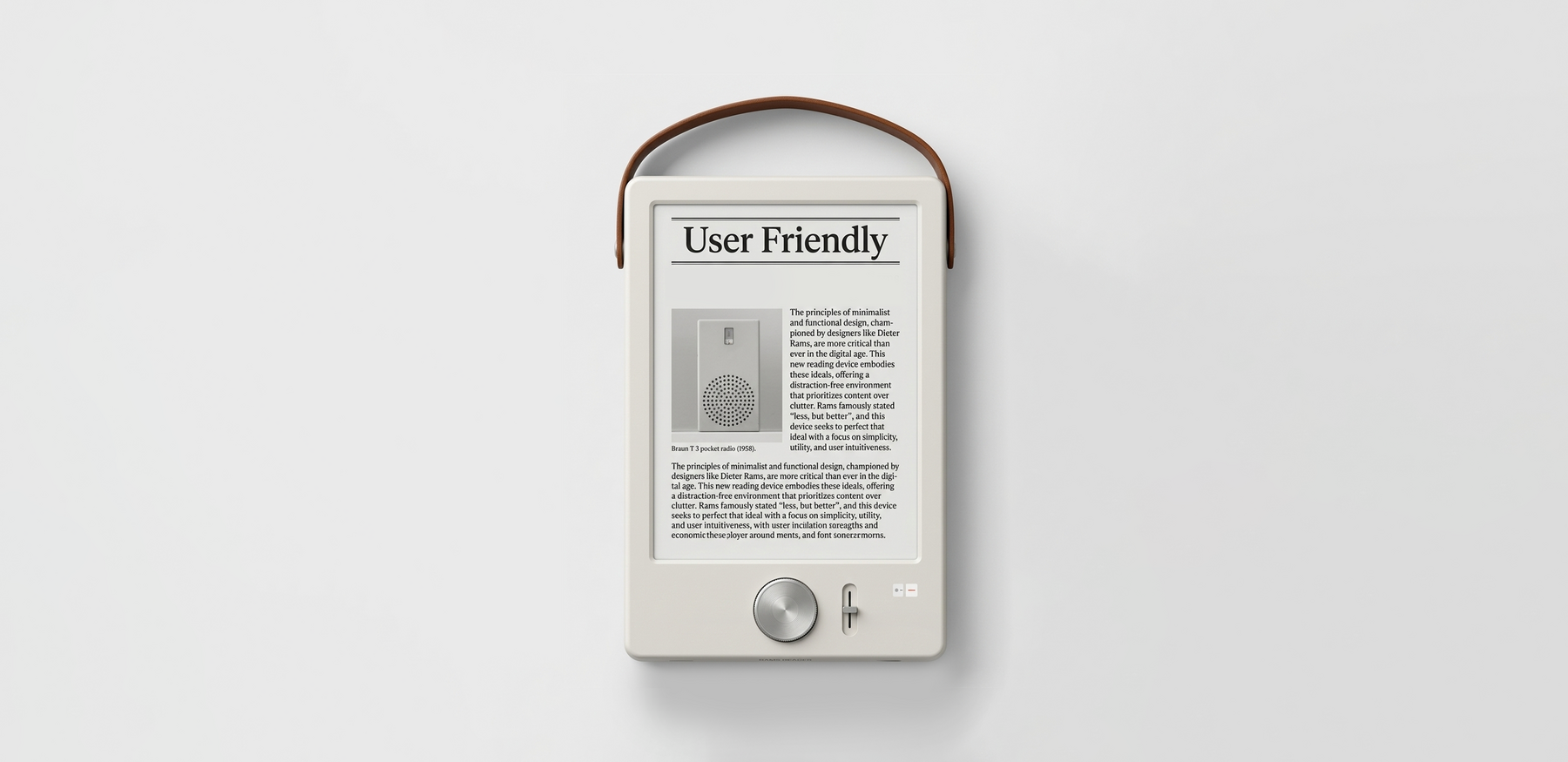
My current thoughts on design, technology and creativity
• Latest article
SurfaceAMS
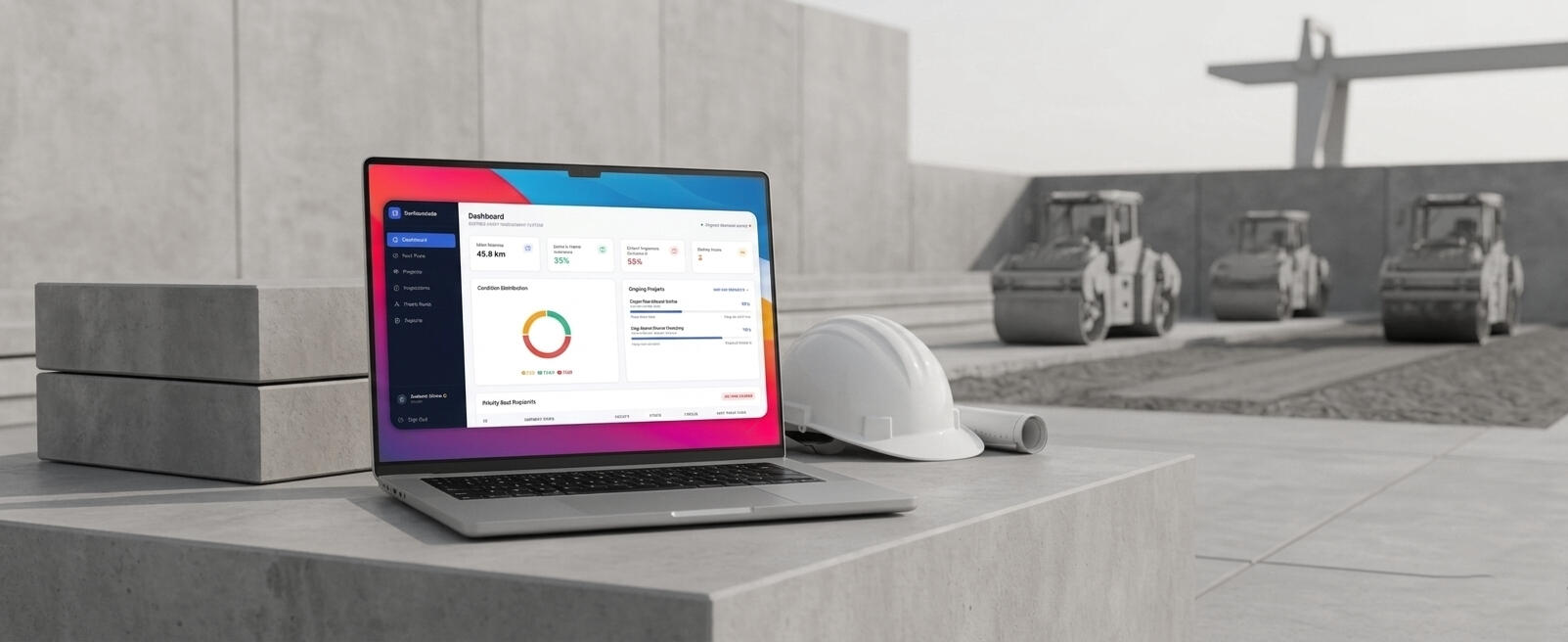
Unified platform for monitoring, planning, and managing road infrastructure.
• Notes on building a B2B/GovTech product in Southern Africa.
• Founder, Product Designer.
About me
Product Designer. Engineering & Creativity Enthusiast.
I run Dot Design, my freelance design practice where I work with tech startups and FMCG companies on product design, interfaces, and brand assets. I also serve as Product Design Manager at Marytechenock Solutions, designing and prototyping apps while contributing to product launch and marketing strategy.My journey into design began in 2018 when I started freelancing, working with small businesses on branding, digital design, and marketing materials. That early freelance work led to my first in-house role at Dandemutande, where I worked as a graphic designer from 2020 to 2023. There I collaborated closely with the marketing team, helping grow the company’s social media audience by around 250% and supporting the launch and improvement of their brand websites and web apps.After that, I worked with Dendairy and parent brand Zimgold, focusing on digital marketing and packaging design. During that time I developed and refreshed packaging across more than 30 SKUs, before moving further into product design and startup-focused work.
The Operating System for Road & Surface Assets
Plan, monitor, and manage road infrastructure with real-time data, AI-assisted insights, and full lifecycle visibility, built for authorities, municipalities, and contractors.

Background
For decades, infrastructure delivery has had a dirty secret: most road decisions are made with fragmented, outdated, and incomplete data.Inspections live in PDFs. Site photos sit on phones. Reports are weeks late. Planning happens in spreadsheets.
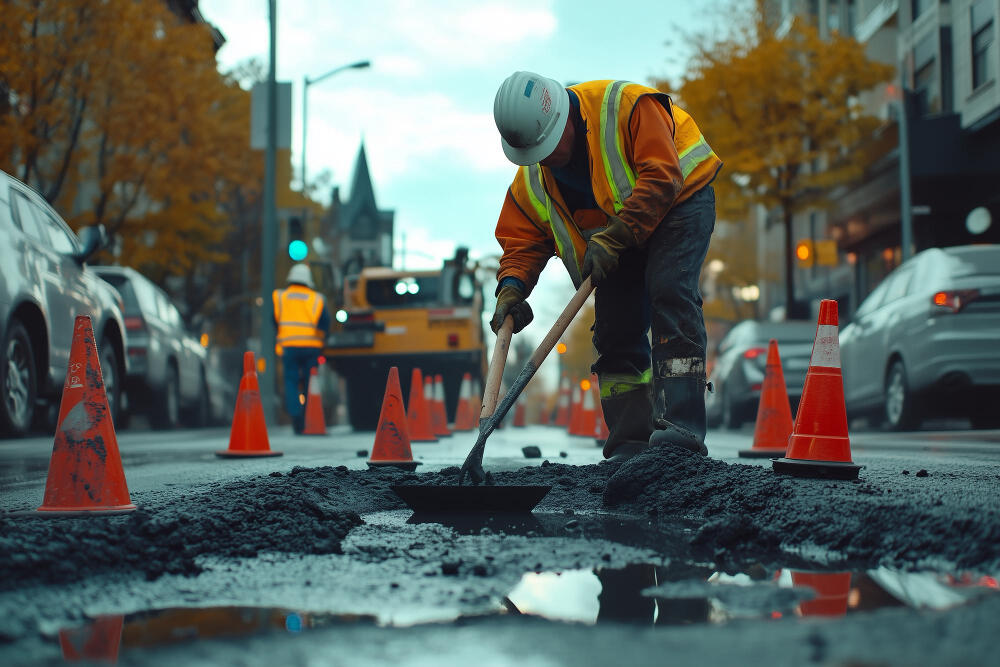

The result? Infrastructure management is reactive by default.
You fix the loudest problem, not the most critical one.Maintenance is delayed until failure.
Budgets are spent without a defensible, network-wide view.
Surface Asset Management System
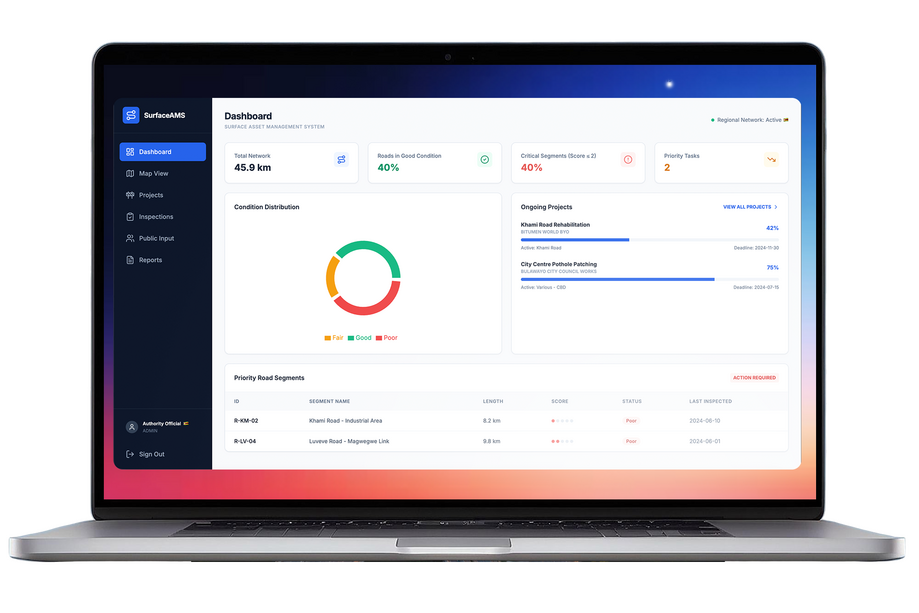
SurfaceAMS is a unified platform designed to manage road and surface assets across their entire lifecycle.
It brings inspections, field data, reporting, planning, and compliance into a single system; giving authorities, municipalities, and contractors real-time visibility of their networks and the confidence to make defensible, data-driven decisions.
Input: Disconnected inspections, photos, and reports.
Output: A real-time, auditable view of every metre of road.
Using a mobile-first field app, teams capture geo-tagged photos and condition data, online or offline.
That data flows into a centralized system where AI-assisted reporting and prioritization turn raw observations into clear decisions.
This replaces reactive repairs with planned maintenance, reduces audit risk, and gives authorities and contractors confidence in how capital is allocated.

Who uses SurfaceAMS?
We are actively onboarding National Road Authorities across countries in South and East Africa. Interest in the solution is high and consultations are ongoing as to what features will be most impactful for their use. 10 MOUs signed, and counting.





Civil engineering contractors across the different countries are also on board with engineers giving guidance on how this platform will work best for them.
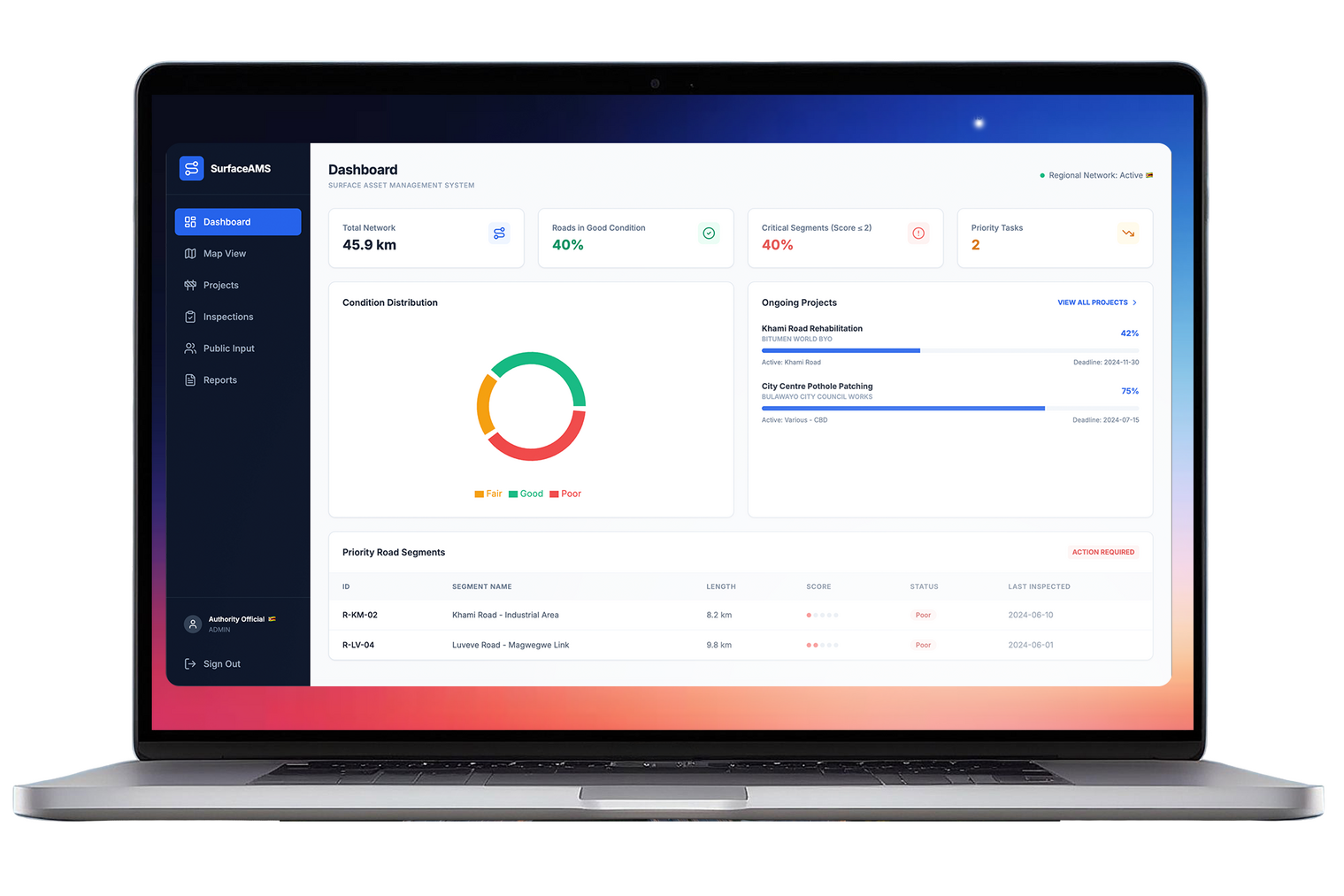
Infrastructure shouldn’t be managed in the dark.
SurfaceAMS makes it visible.
The User Friendly Blog
Don't Trust the Process
How UX design's most sacred methodology became its biggest liability

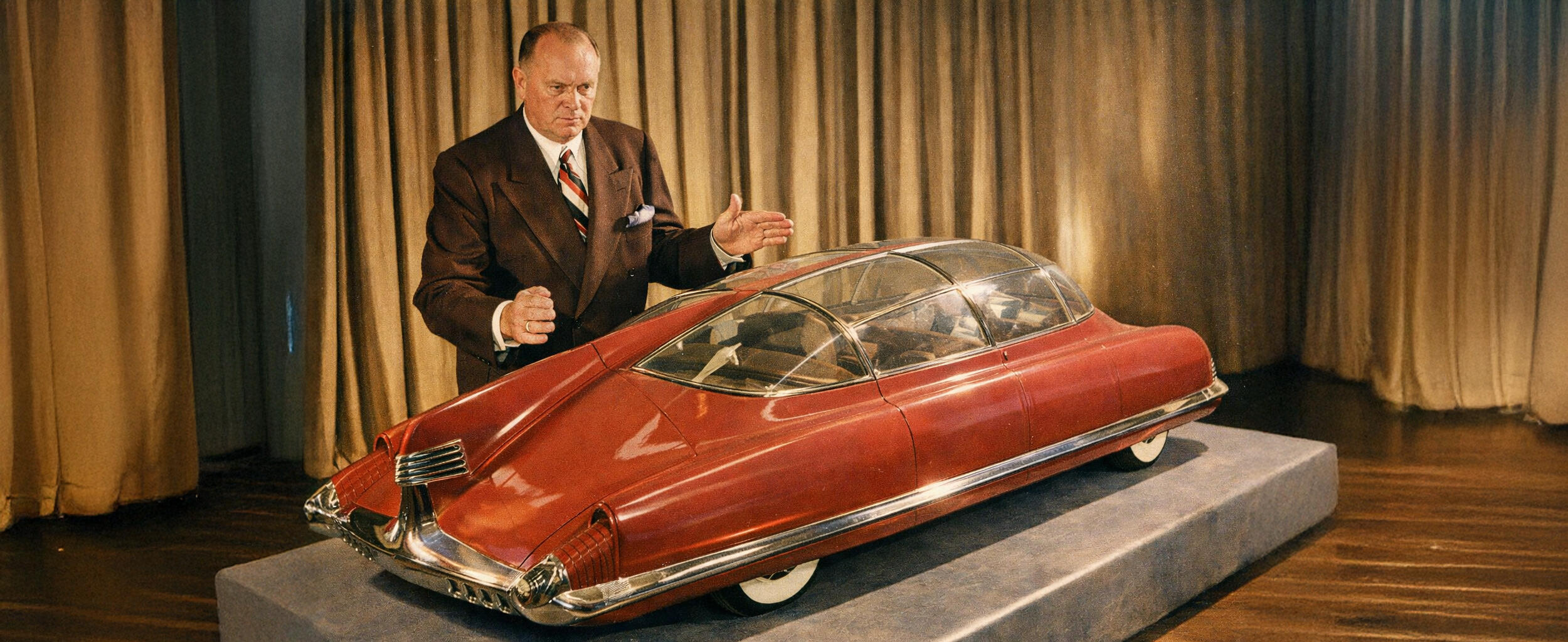
They lied to us, and now it is up to me to tell the truth. There is no design process, there is no formula, there are no best practices. All a lie.The design schools. The bootcamps. The LinkedIn thought leaders with their framework carousels.Proof?Let's rewind to 1953. General Motors Design Studio, Detroit. Harley Earl is pacing the floor. He is the most powerful designer in America, the man who single-handedly invented the concept of a corporate design department, who looked a room full of engineers in the eye and told them that a car wasn't just a machine. It was a desire. A feeling. A statement about who you were and who you wanted to be.He coined the term dynamic obsolescence: the wild idea that you make last year's model look embarrassing on purpose, so people have to buy the new one. Not engineering. Not innovation. Pure psychological manipulation, dressed in chrome and tailfins. And it worked brilliantly. That kind of guy.His process? He'd sketch, scrap it, argue loudly, build a clay model the size of a living room, walk around it slowly with a cigarette, and say: "Go all the way, then back off."That was it. That was the whole process.No double diamonds. No user interviews. No journey maps pinned to a wall. Just vision, instinct, and the audacity to trust your eye over any committee. And it produced the most iconic cars in American history. The 1959 Cadillac. The Buick Le Sabre. Machines that didn't just move people from one place to another, they moved something inside them.Harley Earl didn't have a methodology. He had a conviction. And conviction, it turns out, is something no framework has ever been able to teach.
Fast forward to the 2010s. A very different kind of studio. Laptops open, Post-it notes everywhere, someone in a hoodie drawing a user journey on a whiteboard that cost more than a small car.Visual design experimentation is at an all-time high. The Double Diamond is on every agency wall. Design Thinking is the gospel and IDEO is the church. This era did something remarkable: it gave designers a language that non-designers could finally respect. You could walk into a boardroom, unroll a journey map, point at a pain point and watch a CFO nod slowly, as if they were encountering human empathy for the very first time.We had artefacts. We had deliverables. We had evidence. Tools like Sketch, then Figma, turned design into a collaborative sport. InVision made prototypes feel like finished products. Design systems promised infinite scale. Google, Airbnb and IBM published their design thinking playbooks publicly, as if handing out the recipe to a secret sauce. Suddenly everyone was a UX designer. Bootcamps promised career changes in 12 weeks. The discipline that had spent decades being dismissed as "making things pretty" was now being called a business strategy.This was the same decade we crawled out of Windows 7, stumbled through the chaos of Windows 8, and exhaled with relief at Windows 10. Designers were being listened to. Iterated with. Trusted, even.It felt like winning.

But here is what nobody said out loud. A lot of the process had quietly become about looking like a designer rather than thinking like one. The journey maps got more beautiful. The Figma files got more organised. The presentations got more polished. And somewhere in all that polish, the sharp edge of real creative instinct started to go a little blunt. We were so busy performing the process that we stopped questioning whether the process was still performing for us.Somewhere between the third round of stakeholder alignment and the second usability test that confirmed what everyone already knew, the process stopped serving the work. The work started serving the process.Then, almost without warning, the heist begins.2022. ChatGPT goes mainstream and the room goes very quiet. Then loud again, but differently. Copy is iterated in real time. User personas are generated in seconds. Functional prototypes are spun up from a single prompt before the first stakeholder meeting has even ended. It is a dizzying leap, the kind that makes you grip the armrest.And it is not just the speed. It is the quality of the thinking being replicated. The synthesis that once took a seasoned researcher two weeks, pattern recognition across hundreds of user interviews, finding the thread that connects the frustration of a 45-year-old in Birmingham to a 22-year-old in Bulawayo, AI is doing a version of that in minutes. Figma now suggests layouts. ChatGPT writes microcopy that passes for human. Midjourney conceives visual directions that would have taken a moodboarding session, a creative director and a slow Thursday afternoon to arrive at.It would be easier to dismiss if the results were bad. But they are not. AI is producing impressive, senior-level design work. And that is the bitter pill. Because the activities that gave us not just insight but identity, the Post-it notes, the user interviews, the facilitated workshops, they now look uncomfortably like theatre. A performance staged to justify our presence in the room.The three-day design sprint has become three minutes of simply prompting back and forth.The junior designer entering the industry today has never known a world without it. To them, the design sprint is a myth. A story the seniors tell, like describing what it was like to use a fax machine. And that is the thing that should make us pause, not whether AI will take our jobs, that conversation is already exhausted, but whether the process we built our entire professional identity around was ever truly the point. Whether, somewhere along the way, we confused the scaffolding for the building.So is the process dead?No. But it was never alive in the way we believed it was. It was a vessel. And only what we chose to pour into it ever mattered.Consider Dieter Rams. His 10 principles of good design were not steps in a process. They were a way of seeing the world. He did not ask users whether they wanted less. He believed less was right, and he had the spine to stand behind that belief in every object he ever touched. That is not a methodology. That is a conviction. And conviction is something that cannot be prompted into existence.AI has done something that decades of design critique never managed: it has separated the builders from the architects. The designers who will define the next era are not the ones who followed the process most faithfully. They are the ones who always carried something the process could never document. Taste. Judgement. A genuine point of view. The ability to walk into a room, look at something that technically works, and say: but it isn't right yet.That instinct was never in the playbook. It was always in the person.Harley Earl never needed a process to feel validated. He had a conviction, and he knew what a great car felt like in his bones, before the clay model, before the cigarette, before anyone else in the room could see it. He had the courage to back that feeling above anything a committee or a meeting could tell him.If you trusted the process all these years, here is what it never told you: you already know what a great product feels like. You always did. You never needed the Post-its to tell you.You are the part of the process that will never be replaced.Now go all the way. Then back off.
- Adly Ndlovu
The 1000 Visuals Project

⚠️Under Construction
⚠️Under Construction
Coming Soon